
Featured Cleanouts
Garage Cleanout Guide for Layton: Steps, Cost, and Junk Removal
A full garage cleanout is a weekend project. Here is a step-by-step plan for Layton homeowners, what it costs, and when to bring in a junk removal crew.
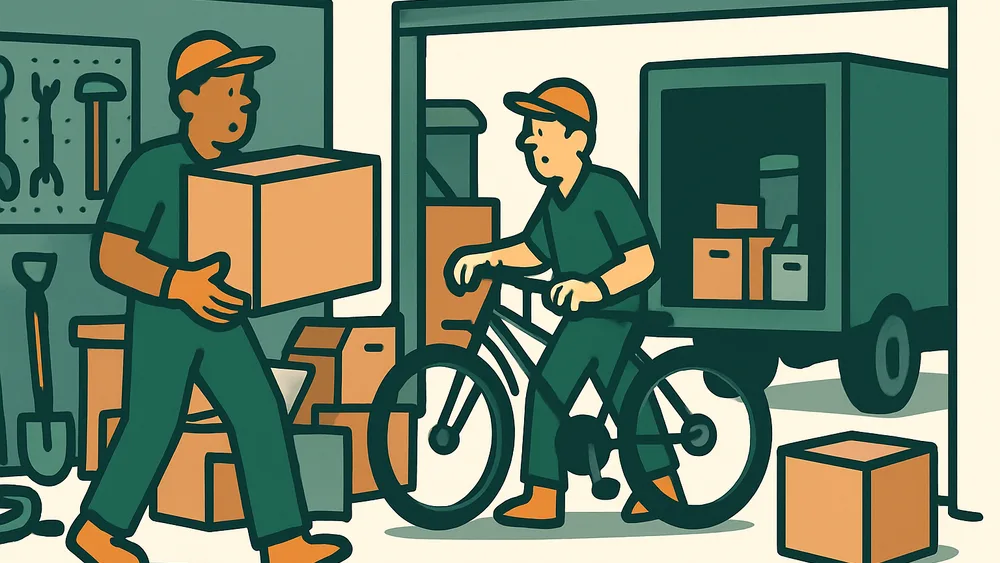
A full cleanout is a different job than tossing a few bags. Garages, basements, estates, and storage units fill up over years, and clearing one means sorting keep from haul, moving heavy items, and getting rid of it all without a dozen dump runs. These guides show how to do it without losing a weekend.
A full garage cleanout is a weekend project. Here is a step-by-step plan for Layton homeowners, what it costs, and when to bring in a junk removal crew.
Clearing a loved one's home is hard. This estate cleanout checklist for Layton and Davis County families covers what to keep, donate, sell, and haul.
CleanoutsPaying monthly for a unit full of stuff you never use? Here is how to clean out a storage unit in the Layton area and stop the rent for good.
CleanoutsHoarding cleanup is emotional and physical work. Here is a respectful, step-by-step guide for Layton and Davis County families, and how to get help.
CleanoutsBasements and attics collect years of junk in the hardest places to reach. Here is how to clear them out in Layton, what it costs, and when to get help.
Every cleanout follows the same arc: decide what stays, separate what can be donated or recycled, and haul the rest. Where they differ is scale and difficulty. An estate cleanout carries emotional weight and a deadline. A hoarding cleanup needs patience and discretion. A garage or basement is mostly muscle and a truck. Knowing which one you are facing sets the right pace and budget.
Each guide below breaks down the steps, what the job typically costs, and where a crew saves you the most time. When you are ready to clear a space in one visit, GoHaulStrong loads from anywhere in the home, sorts donations and recycling, and leaves you with an empty room instead of a pile at the curb.
Cleanout pricing is based on how much the crew hauls, measured by truck volume, not by the hour. A few items cost far less than a packed two-car garage or a whole-home estate clearout. You get the price up front after a quick look, so there are no surprises.
Most single-space cleanouts, like a garage, basement, or storage unit, are done in a few hours. A full estate or a hoarding situation can take a day or more, depending on volume and access. A two-person crew moves far faster than doing it alone.
Usable furniture and goods are routed to local donation centers, metal and appliances go to recyclers, and only what is left goes to the transfer station. The goal is to keep as much as possible out of the landfill.